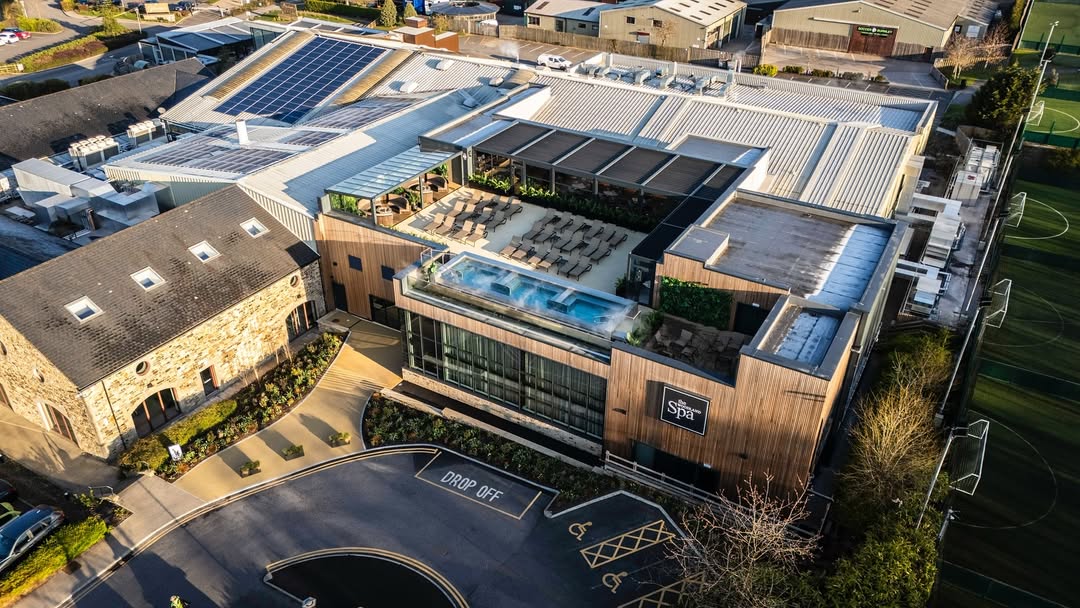
Why Experience Matters in Large-Scale Outdoor Shading Projects

As outdoor spaces become increasingly important in hospitality, commercial, and residential developments, the demand for reliable and high-performance shading solutions continues to grow. Whether for hotels, restaurants, cafés, commercial plazas, or luxury villas, outdoor shading structures must deliver more than visual appeal. They must provide durability, functionality, and long-term performance.

Large-scale outdoor shading projects require careful planning, engineering expertise, quality manufacturing, and professional installation to ensure successful results.

The Growing Importance of Outdoor Shading

Outdoor areas are valuable assets for businesses and property owners. Without proper shading, these spaces can become uncomfortable during periods of intense sunlight and high temperatures.

Modern shading systems help create:

  • Comfortable outdoor dining environments
  • Protected seating areas
  • Functional rooftop spaces
  • Shaded terraces and courtyards
  • Flexible hospitality environments

By improving comfort and usability, shading solutions allow outdoor areas to be utilized more effectively throughout the year.

Engineering Is the Foundation of Every Successful Shading Project

Large-span shading structures must be designed to withstand environmental conditions while maintaining structural stability and aesthetic quality.

Important engineering considerations include:

  • Wind resistance
  • Structural loading
  • Drainage management
  • Material durability
  • Operational reliability
  • Site-specific requirements

Proper engineering ensures that the shading system performs consistently over the long term.

Aluminum Louvered Roof Systems

Aluminum louvered roof systems have become one of the most advanced outdoor shading solutions available today.

Their adjustable louvers allow users to regulate:

  • Sunlight
  • Shade
  • Ventilation
  • Outdoor comfort

These systems are commonly used in:

  • Restaurants and cafés
  • Hotel terraces
  • Rooftop spaces
  • Commercial developments
  • Luxury villas

Their flexibility allows users to adapt outdoor environments throughout the day while maintaining a clean architectural appearance.

Retractable Fabric Roof Pergolas

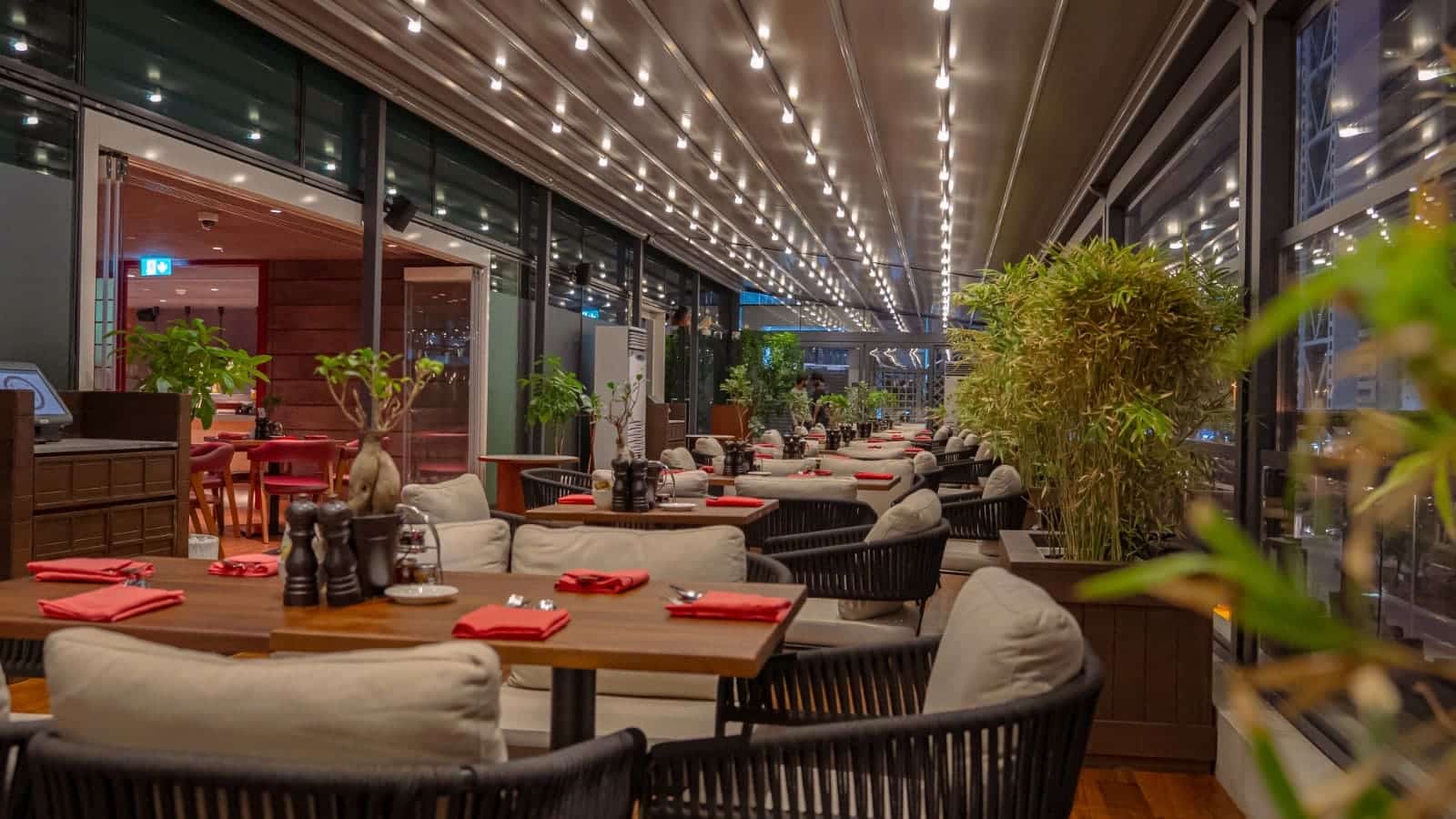
For projects requiring larger coverage areas, retractable fabric roof pergolas provide a highly effective shading solution.

Featuring motorized PVC fabric roof systems, these structures can open or close according to weather conditions and operational requirements.

Typical applications include:

  • Outdoor dining areas
  • Hotel courtyards
  • Resort terraces
  • Rooftop restaurants
  • Commercial outdoor spaces

The ability to adjust coverage makes these systems particularly valuable for hospitality projects where guest comfort is essential.

The Importance of Professional Installation

Even the most advanced shading systems depend on proper installation.

Professional installation helps ensure:

  • Structural stability
  • Accurate alignment
  • Efficient drainage performance
  • Smooth operation
  • Long-term reliability

For large-scale projects, installation expertise is often just as important as the product itself.

Material Quality for Long-Term Performance

Outdoor shading systems are continuously exposed to sunlight, heat, humidity, and environmental conditions.

High-quality systems manufactured from Qualicoat-certified aluminum provide:

  • Excellent corrosion resistance
  • Long-term durability
  • Consistent finish quality
  • Minimal maintenance requirements

Material quality plays a critical role in maintaining both performance and appearance over time.

A Complete Outdoor Shading Solution

Successful outdoor shading projects require more than simply supplying a pergola. They require a complete approach that includes:

  • Design consultation
  • Engineering support
  • Manufacturing expertise
  • Installation guidance
  • Long-term reliability

From hospitality developments and commercial projects to luxury residential applications, the right shading solution can significantly improve the functionality and value of outdoor spaces.

When it comes to large-scale outdoor shading projects, experience matters. Engineering expertise, high-quality materials, professional installation, and reliable performance are all essential factors in delivering successful results.

Whether through aluminum louvered roof systems or retractable PVC fabric roof pergolas, well-designed shading solutions help transform exposed outdoor areas into comfortable, functional, and visually appealing spaces that can be enjoyed throughout the year.
How to Attach a Pergola to a House Roof: Key Design and Structural Considerations

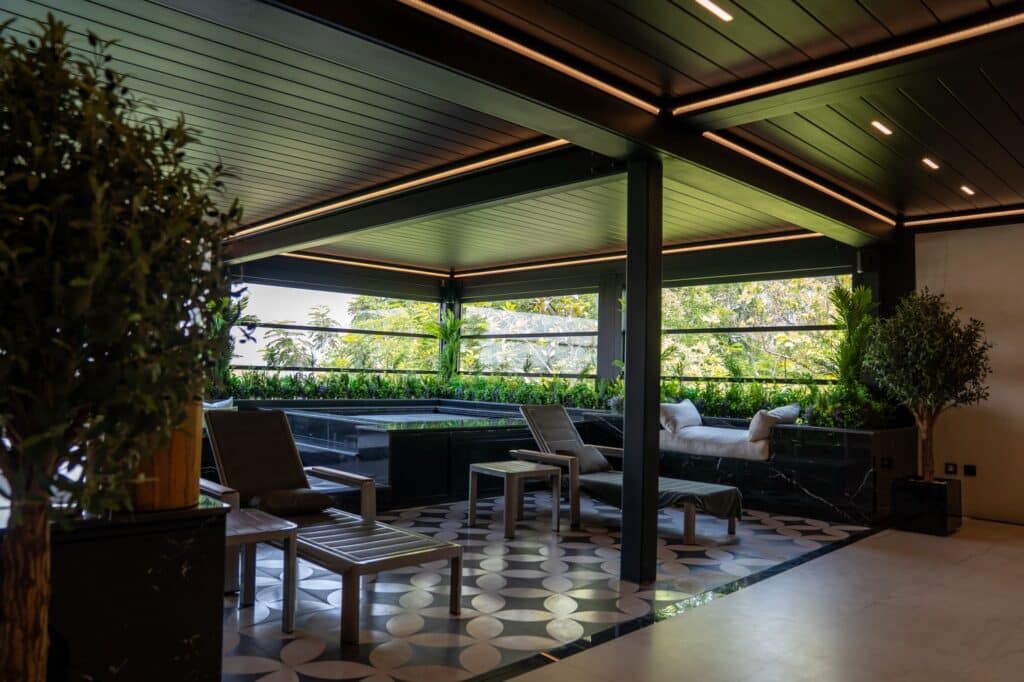
Adding a pergola to a house is one of the most effective ways to extend outdoor living space and create a seamless transition between indoor and outdoor areas. Whether for a garden, terrace, patio, or outdoor dining area, an attached pergola can provide shade, comfort, and architectural appeal.

However, attaching a pergola to a house roof or existing structure requires careful planning and proper engineering to ensure long-term stability and safety.

Can a Pergola Be Attached to a House?

Yes, many pergolas can be attached directly to a house or building structure. These are commonly referred to as wall-mounted pergolas or attached pergolas.

Instead of being supported entirely by independent columns, one side of the pergola is connected to the building while the remaining side is supported by columns.

Structural Assessment Comes First

Before attaching any pergola to a house, the existing structure must be evaluated.

Important considerations include:

  • Wall construction type
  • Structural strength of the building
  • Roof configuration
  • Existing waterproofing systems
  • Load-bearing capacity

Not every wall or roof structure is suitable for supporting a pergola. A professional assessment helps determine the safest attachment method.

Common Attachment Methods

Wall-Mounted Installation

The most common solution is attaching the pergola to a reinforced wall using engineered fixing systems.

This method transfers structural loads directly into the building while allowing the pergola to project outward over the outdoor area.

Roof-Adjacent Installation

In some projects, the pergola is positioned close to the roof line and connected to the structural elements of the building while maintaining proper waterproofing and drainage details.

Independent Structure Near the House

When direct attachment is not feasible, a freestanding pergola can be installed adjacent to the building, creating a similar visual effect without placing loads on the house structure.

Waterproofing and Drainage Considerations

One of the most important aspects of attaching a pergola to a house is protecting the building from water intrusion.

Proper design should consider:

  • Drainage routing
  • Roof water management
  • Flashing details
  • Expansion joints
  • Structural movement allowances

These elements help maintain the long-term performance of both the pergola and the existing building.

Choosing the Right Pergola System

Different pergola types can be attached to a house depending on project requirements.

Rotatable Pergolas

Motorized rotatable pergolas feature adjustable aluminum louvers that allow users to control sunlight, shade, and ventilation.

Retractable Pergolas

Retractable pergolas feature movable roof systems that can partially open or close, creating a flexible outdoor environment.

Fixed Pergolas

Fixed pergolas provide permanent coverage and are suitable for spaces requiring continuous shade.

PVC Fabric Roof Pergolas

Openable PVC fabric roof systems are commonly used for larger outdoor areas, offering flexible coverage and architectural elegance.

Material Selection Matters

For outdoor structures attached to residential buildings, material quality is essential.

High-quality pergolas built with Qualicoat-certified aluminum provide:

  • Excellent corrosion resistance
  • Long-term durability
  • Minimal maintenance requirements
  • Consistent performance in outdoor environments

This is particularly important in regions exposed to strong sunlight, humidity, and coastal conditions.

Professional Design and Installation

Attaching a pergola to a house should always be performed by experienced professionals.

A properly engineered installation ensures:

  • Structural safety
  • Secure load transfer
  • Reliable drainage performance
  • Long-term durability
  • Compliance with local regulations

Professional design also helps ensure the pergola integrates seamlessly with the home’s architecture. Attaching a pergola to a house is an excellent way to expand outdoor living space while enhancing both comfort and property aesthetics. Whether using a rotatable, retractable, fixed, or PVC fabric roof pergola, proper engineering and installation are essential for long-term performance.

By evaluating the existing structure, selecting high-quality materials, and working with experienced specialists, homeowners can create a durable and elegant outdoor space that feels like a natural extension of their home.

Get in Touch

Contact us

Do you need help with a question or a project? We're here for you!

Resources

Need more information? Want to download our catalogues?